
-
Deep Azure - Lapis Lazuli Jewelry, Japanese Minimalist Style
Regular price From $40.00 USDRegular price -
Solar Muse - Japanese Minimalist Necklace
Regular price From $40.00 USDRegular price -
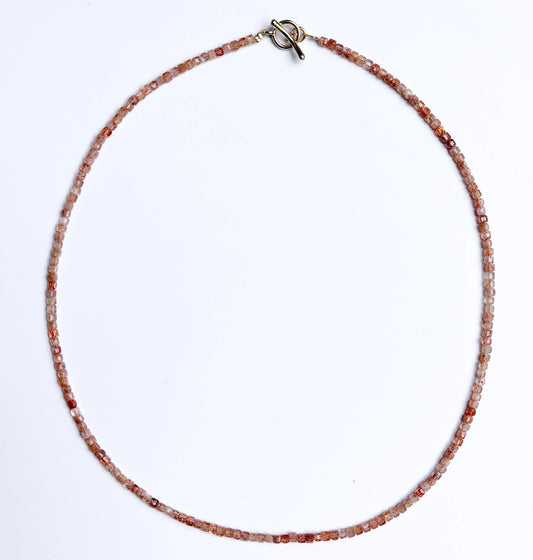
Ember Light - Andesine Japanese Minimalist Necklace
Regular price From $50.00 USDRegular price -
Ethereal Union - Super 7 Amethyst Japanese Minimalist Necklace
Regular price From $55.00 USDRegular price -
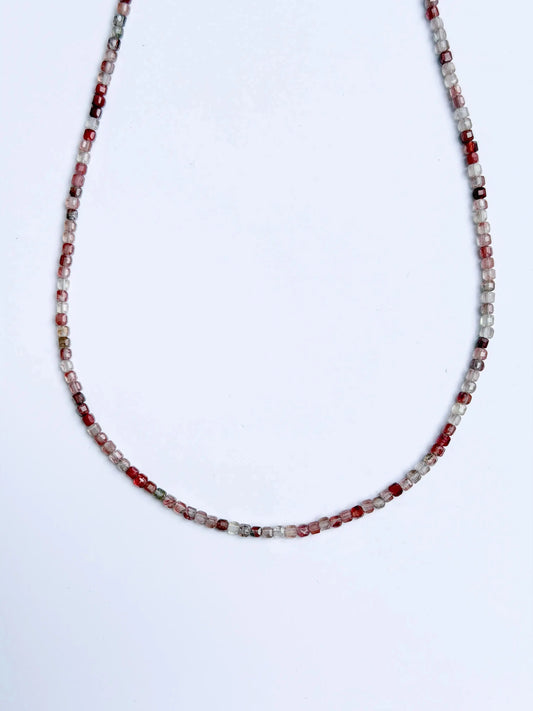
Quiet Spectrum - Japanese Minimalist Necklace
Regular price From $75.00 USDRegular price -
Shadow Focus - Japanese Minimalist Bracelet
Regular price $45.00 USDRegular price -
Lunar Flow - Japanese Minimalist Bracelet
Regular price $45.00 USDRegular price -
Silent Tide - Japanese Minimalist Bracelet
Regular price $45.00 USDRegular price





Recently viewed
You haven’t viewed any products yet.